
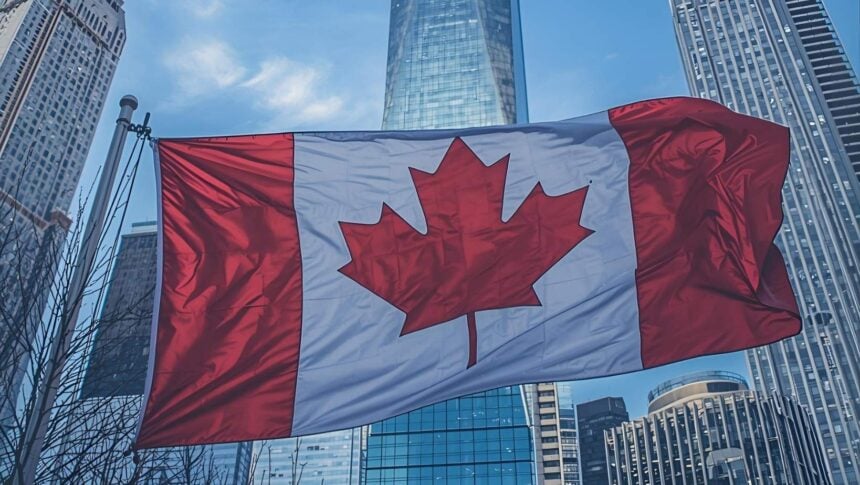
According to new federal guidance, Canada will add another $7,000 to its TFSA room on January 1, 2026.
For the third year in a row, the yearly limit stays at $7,000. If you were at least 18 in 2009 and have never given money, your total cumulative room will be $109,000 in 2026.
The steady limit follows the Tax-Free Savings Account’s long standing rules for indexing.
It’s nice to have more room, but the rules for “how much can I put in today” are still causing costly mistakes.
Dale Jackson, a financial columnist, has said that people who are confused about their total room, especially those with more than one account or who have recently made a withdrawal, are going to get penalties that they could have avoided.

Where people who save make mistakes
A lot of account holders have trouble with two things. First, withdrawals don’t make room again until the next calendar year.
You can’t put that $5,000 back in December if you take it out in November and don’t have any room left for the current year.
Second, the contribution numbers in My Account may be out of date because banks and credit unions have until the end of February to report TFSA activity to the Canada Revenue Agency for the previous year.

Because of that reporting calendar, your online contribution room might not show recent changes from the beginning of the year. People who save based on old information are at risk of going over the line.
The CRA’s TFSA contribution guide has more information about how annual room and withdrawals work together.
The CRA charges 1% per month on the highest amount over the limit for each month it stays in your account. This is a very high penalty.
The meter keeps running until you take all of the extra money out or until new room is available in a later year that’s why a small mistake at the end of the year can turn into a big charge if it keeps going into January.
Transfers between providers are another area of uncertainty. Moving a TFSA with a direct transfer form doesn’t affect your room.
It does, though, to take money out of one TFSA and put it into another TFSA in the same year.
People who chase promotions or move money between different TFSAs without using a direct transfer often find out the hard way which path they took only after they get a penalty notice.
The CRA’s materials and bank disclosures agree on this point, and if you only look at the number in My Account instead of your own records, the reporting lag makes the risk even worse.
If you move to another country and keep contributing while not living there, the 1% monthly tax will still apply to those contributions. However, the TFSA itself is not taxed on Canadian income.
Before sending money from outside Canada, it’s a good idea to check your residency status and contribution history.
The 2026 top-up makes the TFSA a key tool for long-term, tax-free growth.
Keep track of all your deposits and withdrawals at all of your banks, and remember that withdrawals only increase room on January 1 of the next year.
If you do slip, getting rid of the extra quickly lowers the charge, and the new room made in 2026 can hold the extra on day one.